

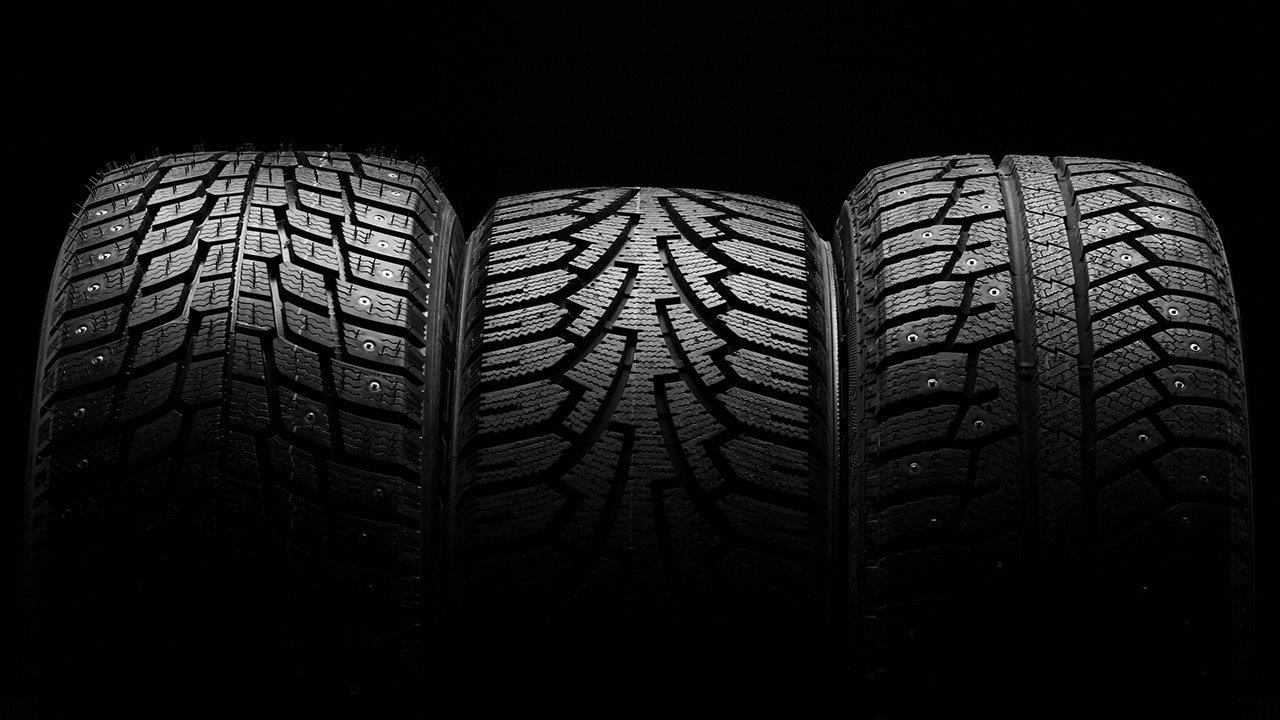
- 10 leading tyre manufacturers offer a wide range of choices.
- The type of tyre you buy is just as important as the brand of tyre you buy.
- Make sure you choose the correct size by consulting your owner's manual or by matching your vehicle's original tyres.
Tyres don't just allow your car to move forward - they also play a key role in the safety, fuel efficiency and driving feel of your vehicle. But because there are so many different manufacturers and tyre types on the market, it can be difficult to find the best tyres for your car.
Our panel of experts have researched the availability, industry reputation, tyre reliability and tread life guarantees of every major tyre manufacturer and in this article we discuss the top 10 tyre brands available today.
We will also look at tyre types, industry grading standards, tyre maintenance and how to choose the right tyres for your needs.
To start comparing the best tyres from different manufacturers on the market, visit Tire Rack.
10 best tyre brands
Our panel of experts have thoroughly researched the tyre market and found that these 10 popular manufacturers offer the best tyres based on overall quality, industry reputation, affordability and variety. We've ranked our top five brands in a superlative to help you better suit your needs, but any of the top choices below are worthy choices.
| Best tyre brand | Total count | Superlative degree | A year in business | Industry reputation | Accessibility |
|---|---|---|---|---|---|
| 1. Michelin | 4.5 | Best tyres overall | 1889 г. | 5.0 | 3.0 |
| 2. Goodyear | 4.5 | Best for durability | 1898 г. | 5.0 | 3.5 |
| 3. Cooper | 4.0 | Most affordable | 1914 | 4.0 | 4.5 |
| 4. Bridgestone | 4.0 | Best for tyres with flat tyre pads | 1931 г. | 4.5 | 3.5 |
| 5. Pirelli | 4.0 | Best for high performance | 1872 г. | 4.5 | 3.0 |
| 6. B.F. Goodrich | 4.0 | 1870 г. | 4.0 | 4.0 | |
| 7. Continental | 4.0 | 1871 г. | 4.5 | 3.5 | |
| 8. Yokohama | 4.0 | 1917 г. | 4.0 | 4.0 | |
| 9. General | 4.0 | 1915 | 4.0 | 4.5 | |
| 10. Hankook | 3.5 | 1941 | 3.0 | 4.0 |
1. Michelin: best tyres overall
Michelin, one of the most popular tyre brands in the US and around the world, sells quality tyres in virtually every category. From run-flat tyres to summer tyres and all-season tyres, Michelin tops the recommendation lists of both consumers and industry experts.
The company offers original and replacement tyres, which are covered by a limited warranty of up to six years against manufacturer's defects. Michelin also offers a long mileage warranty on many models, such as the 80,000-mile Michelin Defenders. Compared to tyres from other manufacturers, the warranty period is above average. Michelin tyres are a great option if you drive a car, SUV, light truck or sports car.
To get started buying Michelin tyres, visit Tire Rack.
2. Goodyear: the best for durability
Goodyear, another top-selling tyre brand, has established itself among drivers who want durability. Founded in 1898 in Akron, Ohio, Goodyear manufactures tyres for all types of vehicles, including off-road trucks and motorsport cars. However, because Goodyear tyres are some of the best tyres in the industry, they cost more.
The company subjects its tyres to rigorous internal and independent testing before releasing any models to consumers. One study conducted by Test World, a Finnish company specialising in winter tyre testing, found that Goodyear tyres outperformed other brands in virtually all categories and conditions, including braking, acceleration, handling, ice, snow, rain and dry roads. Goodyear replacement tyres are also covered by a limited warranty for up to six years or a certain mileage, depending on the model purchased.
To get started buying Goodyear tyres, visit Tire Rack.
3. Cooper: the most affordable.
Cooper tyres, which are considered a newcomer (despite being founded in 1914), are significantly cheaper than most brands without compromising on quality. Some of its models, such as the Cooper CS5 Grand Touring tyre, can cost between $85 and $153, depending on the car and tyre size.
Unlike big brands such as Michelin and Goodyear, Cooper is an independent tyre manufacturer. Cooper tyres can be difficult to find, as they are mostly sold online or through participating dealerships. Cooper offers a treadwear warranty of up to 80,000 miles, depending on the model purchased.
To start shopping for Cooper tyres, visit Tire Rack.
4. Bridgestone: the best solution for tyres that are not subject to mileage.
Bridgestone manufactures two brands of tyres: Bridgestone and Firestone. The companies merged in 1988 and now offer a wide range of tyres for cars, trucks and SUVs. Bridgestone has been an innovative player in the industry and has made strides in creating more environmentally friendly products.
Bridgestone also offers advanced Run-Flat tyres for drivers who need extra peace of mind on the road. Judging by the name, the run-flat tyres «can support the weight of the vehicle for a short time, giving the driver a range of around 100 miles to find a repair shop,» according to Edmunds.com. If you don't want to carry spares or just want to buy from a reputable tyre manufacturer, Bridgestone is a proven option.
To get started buying Bridgestone tyres, visit Tire Rack.
5. Pirelli: the best for high performance
Pirelli, an Italian manufacturer, is best known for supplying high performance tyres to luxury and exotic car manufacturers such as Maserati, Lamborghini, Audi, BMW and Porsche. High-speed cars require high-performance tyres. The special tread pattern and construction of Pirelli Performance tyres provide excellent grip in both dry and wet conditions.
Despite its sporting reputation, Pirelli also produces tyres for everyday cars, trucks and SUVs. However, the brand's quality products come at a price. You can buy a high-end tyre from Pirelli for cornering and speed, but it will cost you.
To start buying Pirelli tyres, visit Tire Rack.
Which tyres are best for your car?
No matter what brand of tyres you are considering, you need to know which set of tyres to buy. Tyre types can vary depending on heat resistance, vehicle type, terrain and driving patterns. The best tyres will be tailored to your vehicle and your driving.
Below we have listed the most common types of tyres.
Passenger tyres
Passenger tyres are designed for cars intended for personal use such as hatchbacks, sedans, coupes and crossovers. Below we have listed the different types of passenger car tyres according to their specialisation.
- Summer . Used almost exclusively in warm weather.
- Athletics and Competition: designed for racing and high speeds
- All-season . Can ride in a wide variety of road conditions, including mud and snow.
- Touring: is specially designed for a more comfortable driving experience with additional control options.
- Performance : designed for speed, control and grip, they are often found on high speed or luxury cars.
All-season tyres tend to be the most popular option for regular drivers. We recommend checking out the Michelin Defender or Goodyear Assurance Fuel Max model. The Michelin model in particular boasts a 90,000 mile tread life warranty.
Truck and off-road tyres
Truck and off-road tyres are designed for heavy-duty vehicles. These types of tyres not only support the weight of the vehicle, but also the load it is carrying. Some compact SUVs need lightweight tyres, but larger SUVs and vans should stick to heavier options. We have listed a few different types of these tyres below.
- Highway: high load capacity for lorries or off-road vehicles transporting goods over long distances.
- Dirt for off-roading . For drivers who spend most of their time in mud, sand or other off-road conditions.
- SUV: predominantly for four-wheel drive vehicles and is often used by off-roaders who also need normal driving skills.
For off-road enthusiasts, the best off-road tyres include the BF Goodrich All-Terrain or Hankook Dynapro. These all-terrain tyres have exceptional durability and stability built into their tread pattern. However, the Hankook model is designed for lighter loads, so it may not be the best tyre for heavy commercial trucks.
Special tyres
Special tyres are designed for special road conditions such as severe winter weather or mechanical conditions such as a flat tyre. There are other special tyres besides the two types listed below, but winter tyres and spare tyres are most commonly used by regular drivers.
- Spare parts: are designed for limited mileage when the standard tyre can no longer be used.
- Winter . Designed for snow, ice and any other adverse weather conditions below 45 degrees.
While winter or winter tyres are not mandatory in some parts of the US, drivers in the northern states are not new to these special tyres. For winter tyres, we recommend the Bridgestone Blizzak WS80. The tyre manufacturer has recently improved this iconic model for 2019, so its performance is better than ever.
Original equipment and replacements: which tyres are better?
Original Equipment (OE) tyres are usually supplied with your vehicle at the time of purchase. They are specially designed by the vehicle manufacturer and tyre brand to suit the make and model of your vehicle. Replacement tyres - sometimes called new tyres - are more generic tyres that are not suitable for one particular vehicle.
When shopping for tyres or browsing tyre buying websites, you will see the difference between the two types of tyres. Which tyres are best for your car? In different ways. Here are some pros and cons of each type of tyre:
| Original equipment tyres | Tyre change |
|---|---|
| Usually required for highly specialised vehicles such as sports cars. | Can change the driving style of your car depending on what tyres you have purchased. |
| May best fit your car depending on their build and design supported by the manufacturer. | May be a more technologically advanced and cost-effective option |
| Usually costs more and may need to be replaced more frequently | Usually cost less and last longer |
What does the tyre warranty cover?
Most tyre models are covered by two types of tyre warranty: limited warranty and mileage warranty. The limited warranty protects you against defects in workmanship, and most manufacturers offer this coverage for the life of the tyre. The life of a tyre is measured by how long it takes for the tread to wear down to 2/32 of an inch, which happens about every six years.
The mileage warranty - also called tread life warranty - is an estimate of how long a tyre's tread will last. The mileage warranty can vary greatly not only between manufacturers, but also between tyre types. For example, all-season tyres have a longer warranty than performance tyres because they are designed to be driven on commuter routes, not race tracks.
How are tyres assessed?
Most tyres must meet certain guidelines set by the National Highway Traffic Safety Administration (NHTSA), a sector of the US Department of Transportation. This grading system is called Uniform Tire Quality Grading (UTQG), and it rates tyres - except winter tyres - based on their tread wear, traction and heat resistance.
NHTSA provides the evaluation criteria, while tyre manufacturers and independent companies are responsible for actually conducting the studies. This often means that scores can vary widely from one manufacturer to another. With this in mind, treat UTQG scores with distrust.
Here's how each evaluation category works and the evaluation criteria used to measure performance:
- Clutch: this rating shows how well your tyres «grip» on wet roads. Grip classes are rated from highest to lowest using AA, A, B or C. The choice of reliable tyres usually falls into the A category.
- Tread wear. The tread wear rating allows you to estimate how long your tyre will last. All tread wear ratings are compared to a reference tyre with a tread wear rating of 100. A tyre with a tread wear rating of 500 should last five times longer than the reference tyre. According to SaferCar.gov, most tyres are rated between 300 and 500.
- Temperature . This rating measures the heat resistance of the tyre and is rated on a scale of A, B or C from highest to lowest. Because of tyre composition and speed, tyres must be able to withstand high temperatures. High performance tyres tend to have better temperature performance because of their consistently high speeds.
All of the above ratings will be printed on the sidewall of your tyre. Below we explain how to read the tyre and what information it shows about your tyres.
How to read a tyre
Along with tread wear, grip and temperature grades, other labels printed on the sidewall of the tyre can help you choose the best tyres for your car. However, the list below is not exhaustive. There are several other labels that may be on your tyre.
Here's an overview of the most common labels found on passenger car tyres:
- R: The letter «R» indicates a radial tyre, which is the current industry standard.
- M + S: means «mud» and «snow». If your tyre has the label printed on the side, it means that it is capable of driving in these special conditions.
- Load Index. This two- or three-digit label indicates the tyre's load capacity. The higher the number, the more weight the tyre can support.
- Speed Rating: speed ratings range from the letters L to Y. For example, an M rating would be assigned to a spare tyre because these tyres are not designed to be driven at high speeds. Typically, tyres for cars and light trucks are rated R, S or T.
- Party ratio . This two-digit mark indicates the ratio between tyre height and width. According to SaferCar.gov, a number of 50 or lower indicates a shorter sidewall, which improves steering response and handling overall. When in doubt, look for a lower aspect ratio for greater driving stability.
How to keep the best tyres
Now that you know how to find the best tyres, you need to know how to maintain them. Tyres are one of the key components of your car's safety. Proper maintenance can provide a safer ride and better fuel economy.
Here are a few ways to care for your tyres:
Check the tyre pressure. Under-inflated and over-inflated tyres can lead to braking problems, so check your tyre pressure once a month. Newer cars have built-in systems that tell drivers that tyre pressure is low, but if this doesn't apply to your car, keep a tyre sensor in your car.
Look at the tread of your tyre. Tyres have tread wear indicators on them and you should check them once a month. These rubber strips run horizontally across the tyre and only appear when the tyre needs to be replaced. According to the NHTSA, tyres are considered unsafe if they are 2/32 of an inch worn.
Buy the right tyre size . Tyre size can be another obstacle when looking for the best tyres. To find the best tyres for your vehicle, check your owner's manual. If the information is not available, you can also check the driver's side door for a label with tyre and load information.
Change the tyres. Rotate the tyres according to the schedule recommended by the manufacturer to make sure they wear evenly. Improper inflation and levelling can also cause uneven wear.
Our recommendations for the best tyres
Choosing the best tyres depends a lot on your car and driving style. The best tyre for you may not be the best tyre for someone else. The information above can help steer you in the right direction in terms of tyre types and best brands, but you should check your owner's manual or tyre information sticker and your car's load to make sure you're choosing the right size.
Once you have selected the right tyres, compare them between brands and choose the most suitable for your budget. You can start shopping at Tire Rack.
По смежной теме смотрите материал: Buyer's Guide to the Best All-Terrain Tires (2021).



 Русский
  Українська
  English (UK)
  Polski
  Deutsch
  Български
  Français
  Español
  Ελληνικά
  Italiano
  Română
  Türkçe
  Čeština