

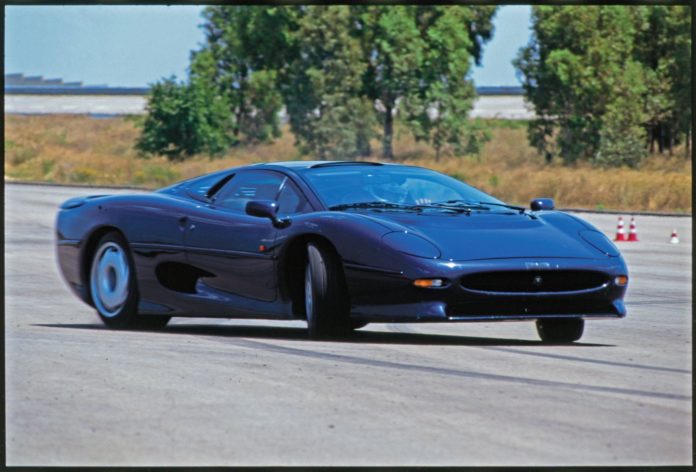
- Supercar Revolution chronicles the battle for performance supremacy among the world's fastest cars.
- Our Book Garage series showcases what every reducer and enthusiast should have in their library.
What is a sports car? Not so long ago, in my lifetime, it was a simple question. Now things are getting much more hazy. We no longer only have sports cars, because now we have to add "supercars" to this discussion; and, more recently, "hypercars" are everywhere in the automotive world. John Lamm's excellent book The Supercar Revolution traces the history of sports cars becoming supercars and then hypercars. Basically, it's about the struggle for performance supremacy among these high-priced machines.
Supercar Revolution: The fastest cars of all time
It's Lamborghini's fault. As a young company upstart, engineering conservatism was not part of their vocabulary in 1967. It was clear that in terms of performance, a mid-engined car was the way to go. However, about a decade since John Cooper and Jack Brabham brought that point home, there were still plenty of big front-engined, rear-wheel-drive options in the world of high-end sports cars.
Lamborghini Miura has turned this concept into a cocked hat. While the Ferrari Daytona (actually called the 365 GTB/4) was the king of the mountain, the Miura was a blank sheet of paper; new idea from new minds. Perhaps it was the first supercar. It is from this event, starting with Enzo and Ferruccio's old chestnut retelling of how to build sports cars, that our book in question, The Supercar Revolution: The Fastest Cars of All Time, written by Jon Lamm, begins.
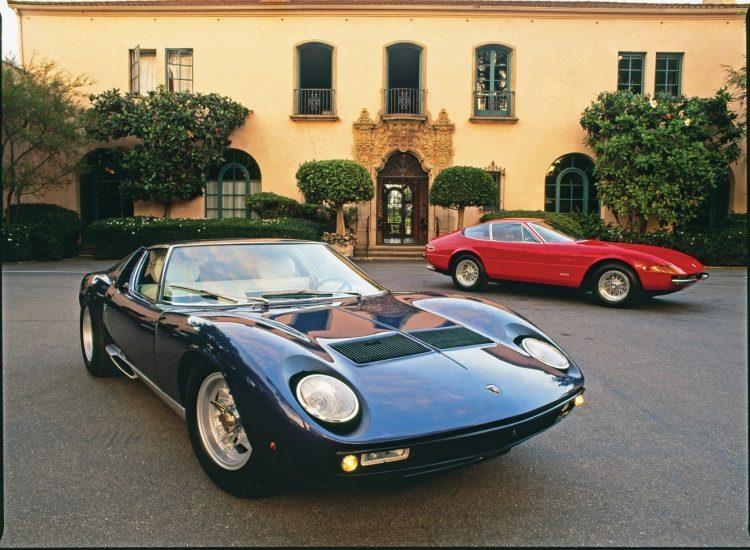 The Supercar Revolution: The Fastest Cars of All Time, p. 10: Lamborghini Miura & Ferrari Daytona. Photo: John Lamm.
sneak around
A Lambo punch on the nose of a Ferrari and every other traditionally oriented automaker of the time set us on the path we are on today: looking down the trunk of something as strange, beautiful, and terrible as La Ferrari or the Porsche 918 or the McLaren P1. These are not sports cars. They're not even supercars (despite the title of the book). No, they are hypercars. Machines of such technological aspiration and performance; such physically bending performance that it's almost crazy they sell them to anyone with a license and a good check.
But here they are, on the street; our streets rolling among us; looking from side to side, waiting, waiting for the next gap, the next open stretch of road, the next green light.
Stunning illustrations
And that's the point of the Supercar Revolution driving home, page after page and photo after photo. While we're on this topic: dig those footage, dude! The photographs in the 240-page book are great artistic shots of two types. Either this is a photo in the studio on a black suspended background; or they are on the street, at the scene of shots of stunningly beautiful cars parked on racetracks, or parked right in front of Old Villas, or green gardens, or inviting racing tracks. You've seen Top Gear, right? The BBC program is known (primarily) for two things: doing stupidly funny things with cars, and two things for really good photography. Supercar Revolution is similar to the second, only in a stationary form.
The dreadful expectation is that with both the story and the great photography, as evidenced by the fantastic, quarter-stained La Ferrari cover shot, this will be a coffee table book. A book that looks great, but it has everything that is written in the manual for the vacuum cleaner. But no! This is not an option! Supercar Revolution is pretty wonderfully written by Lamm, a longtime notable automotive scribe and photographer. He is an alumnus of Road & Track and Motor Trend and has created other well-done books and special pieces found here and now.
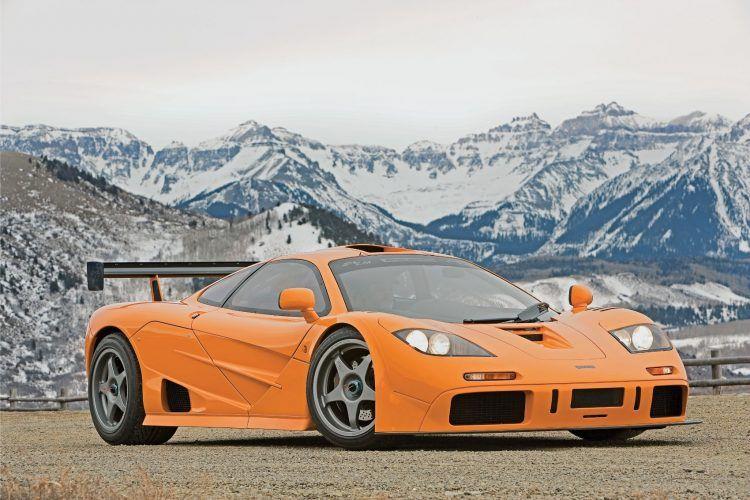 The Supercar Revolution: The Fastest Cars of All Time, p. 137: McLaren F1. Photo: John Lamm.
star power
In fact, the R&T connection runs deep during the Supercar Revolution. Not only has Lamm been getting his two cents in performance cars over the past 50 years, he's also interacted with a bunch of well-known gear builders, writers, drivers and outspoken racers. Jay Leno gives his opinion here and there, prominent champions such as Phil Hill and Paul Frere are mentioned; Rene Dreyfus gets a chance. He even makes room for Jerry Wiegert, the half-Gaxter who gave (or said he's going to give) to the world of the Vector Aeromotive W2.
Pride of the coffee table
It is a really good book, both in words and in pictures, and its shortcomings are minimal. One is that covered cars are becoming more frequent as time approaches our present day - but that simply reflects how more super and hypercars are now available. Consider Ferrari, Porsche, Lamborghini and Aston Martin; and boutique manufacturers such as Pagani, Bugatti, Saleen and Ultima. Another miss besides this gorgeous cover, La Ferrari is not included in the book itself. Kind of like writing a book about mountains and not mentioning Mount Everest.



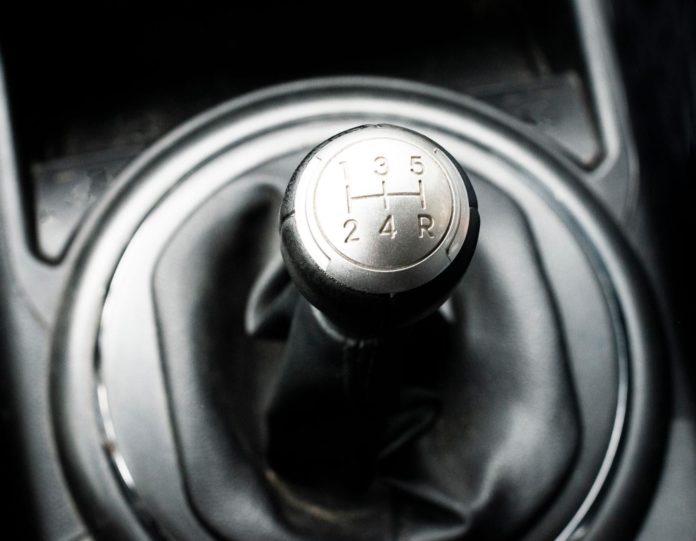
 National Stick Change Day is Tuesday, 16 July.
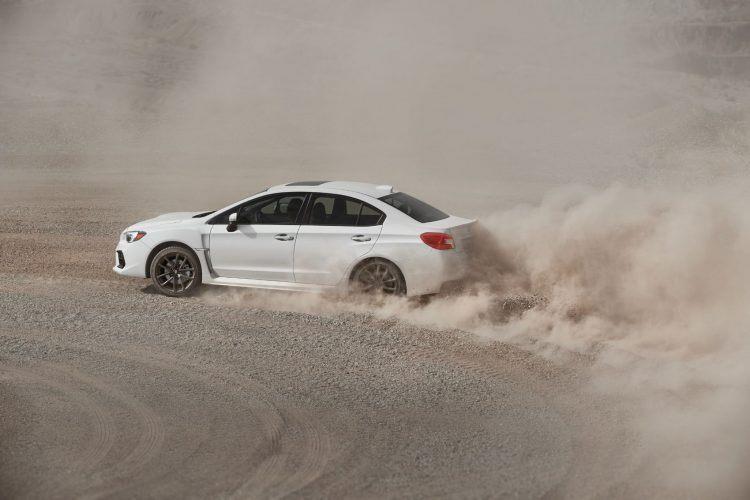 2019 Subaru WRX. Photo: Subaru of America, Inc.
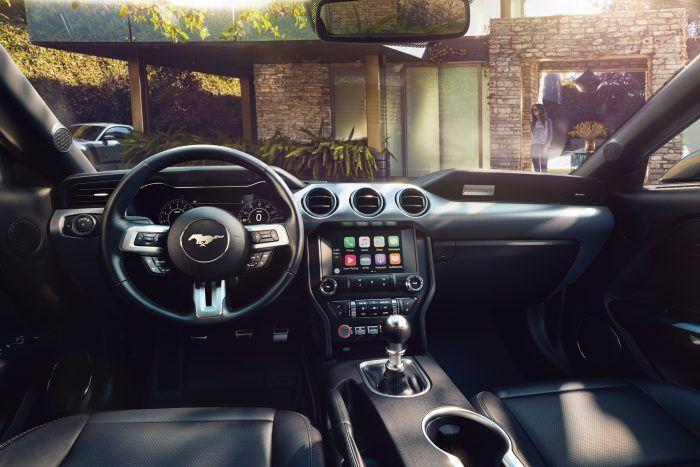 2019 Ford Mustang interior layout. Photo: Ford Motor Company.
 In the Hagerty survey, 81% said learning to drive is a rite of passage worth preserving.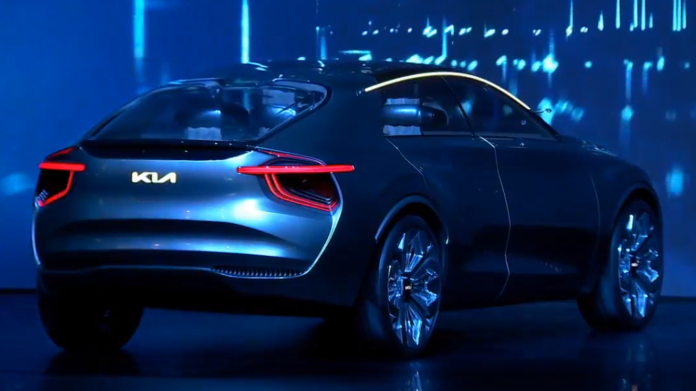
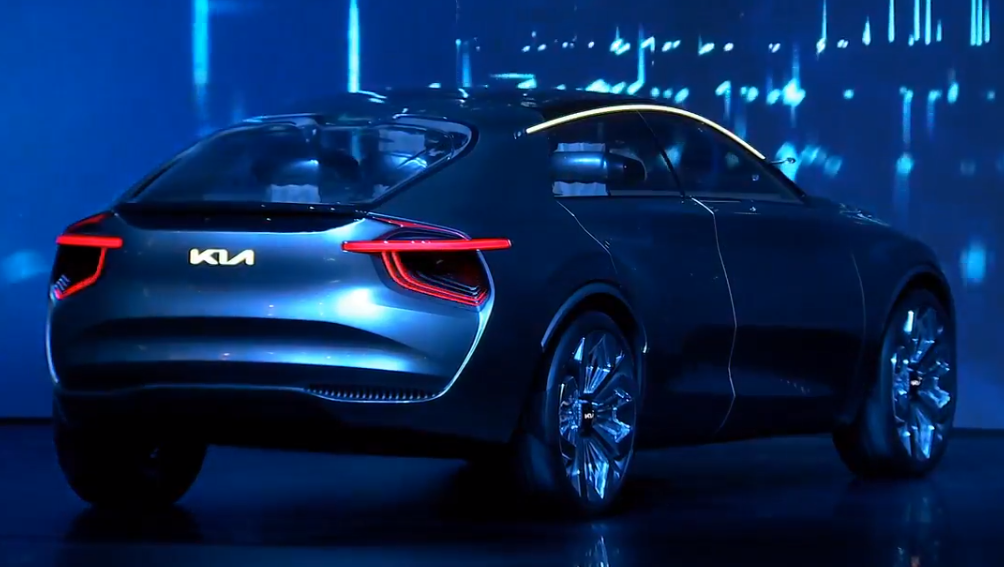
 New generation Kia Sorento test vehicle
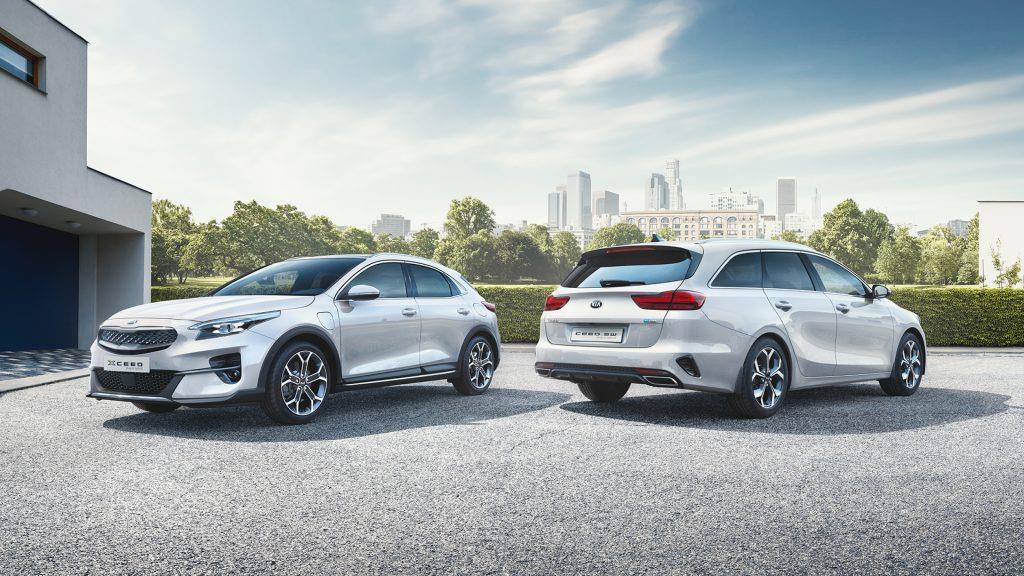 Kia XCEED and CEED SW hybrid models
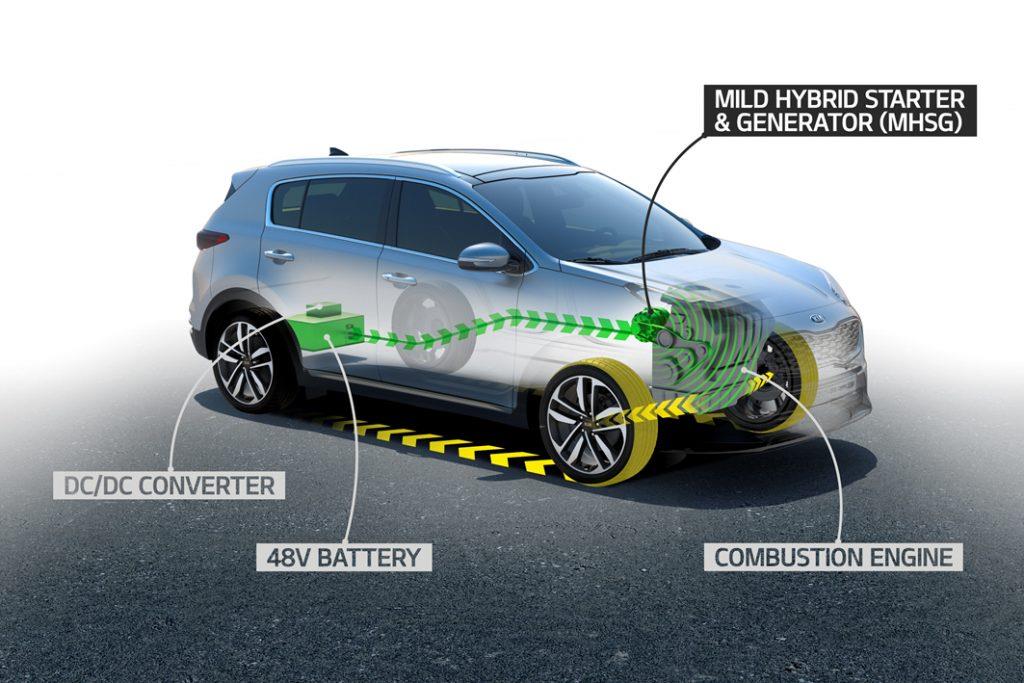 Kia Sportage mild hybrid system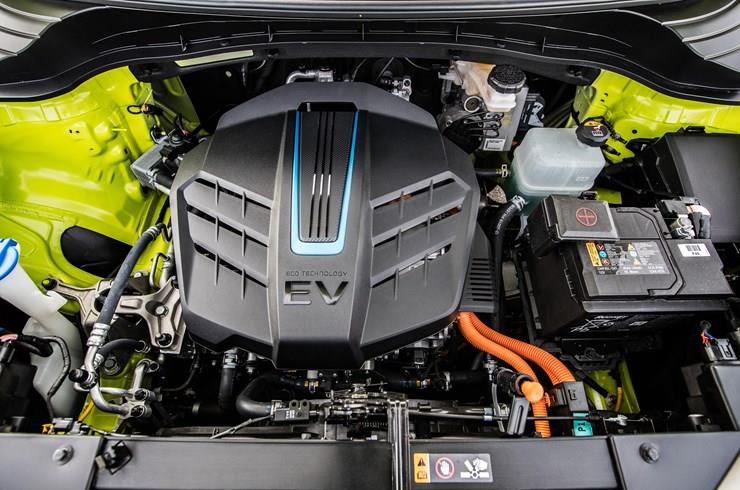



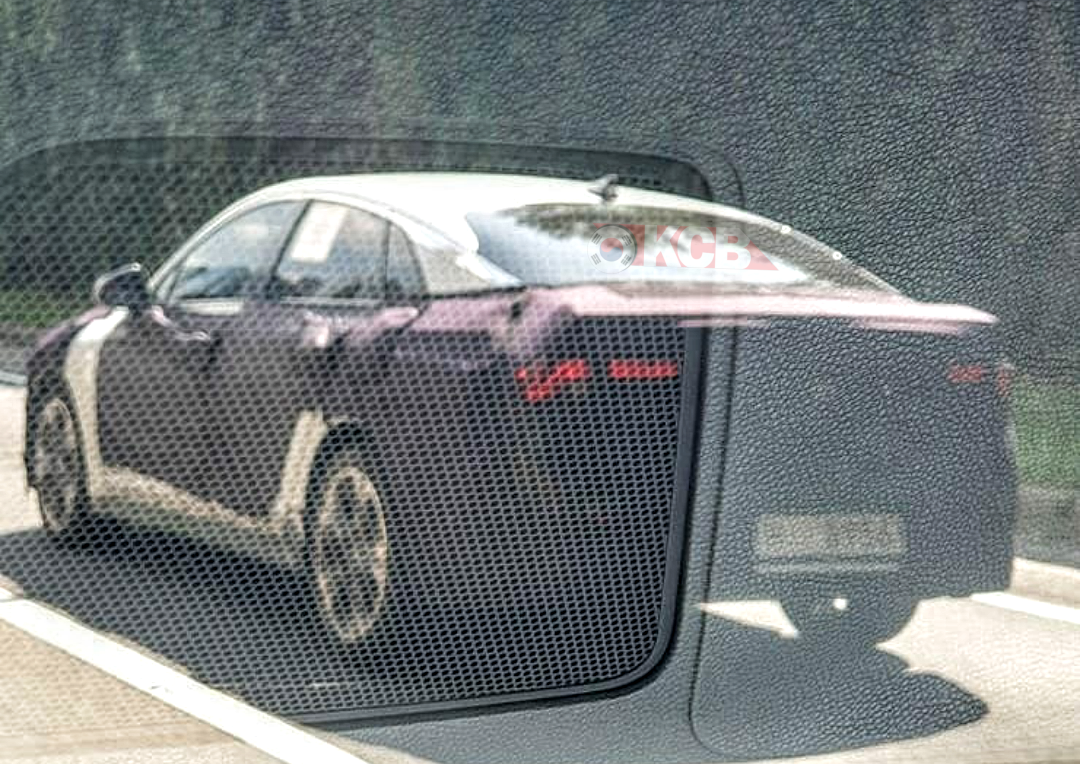

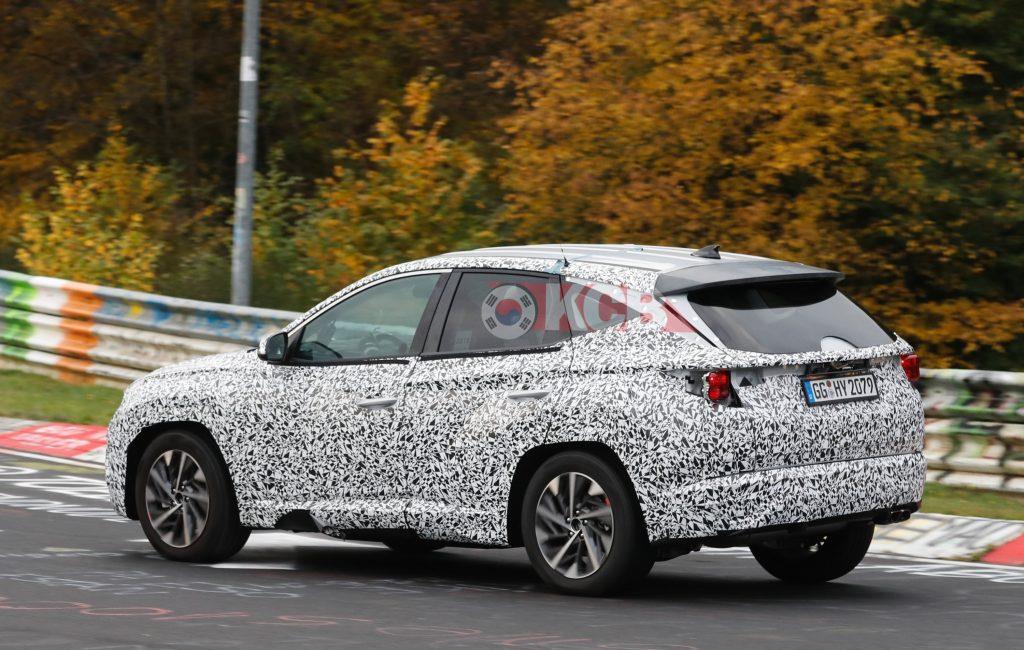
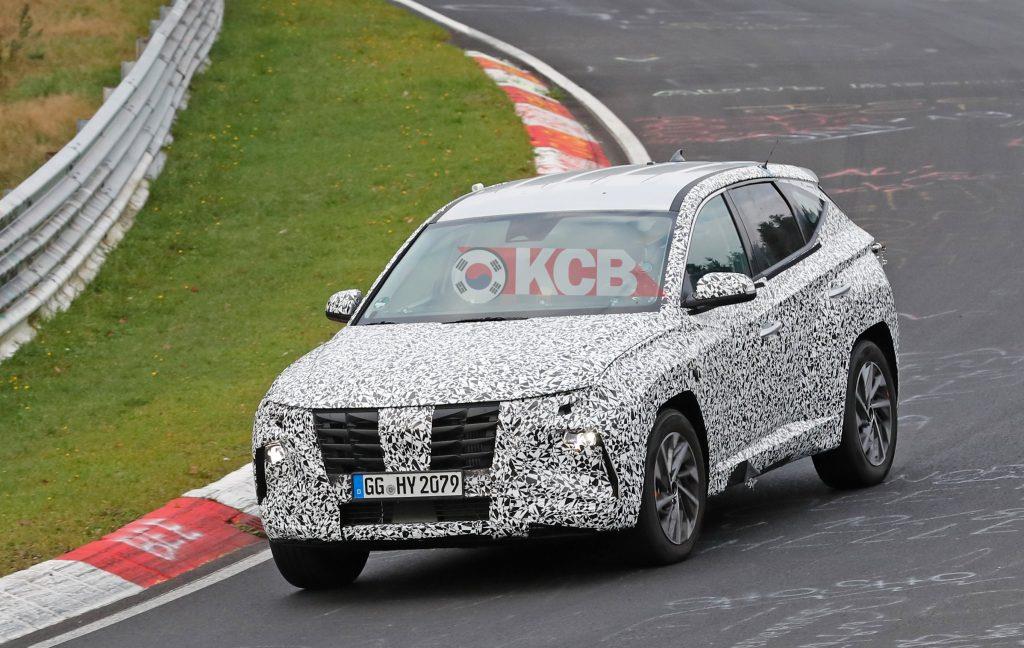
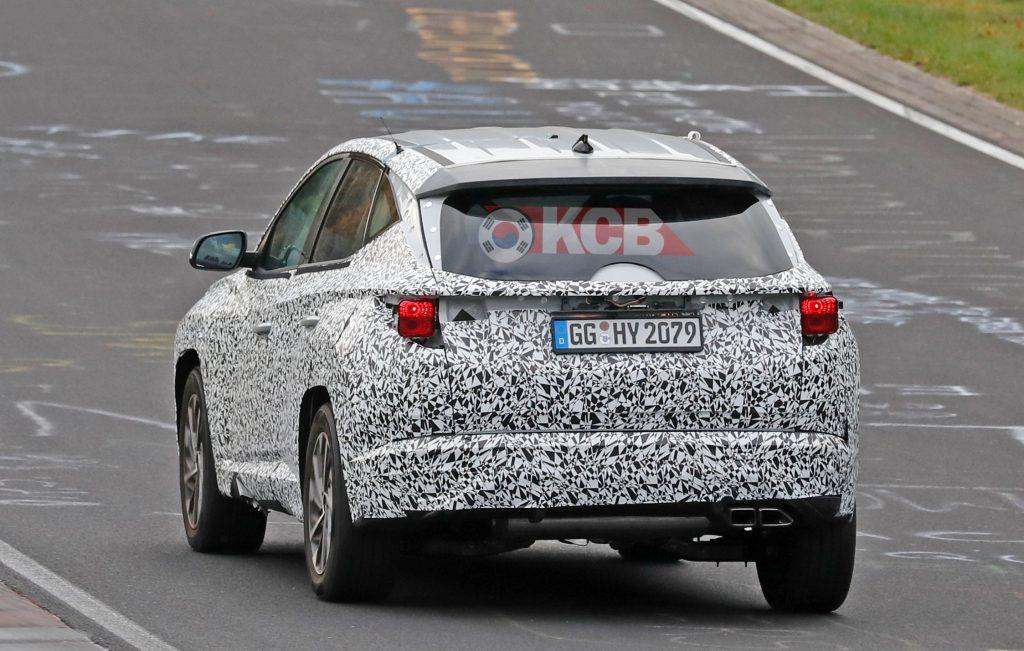
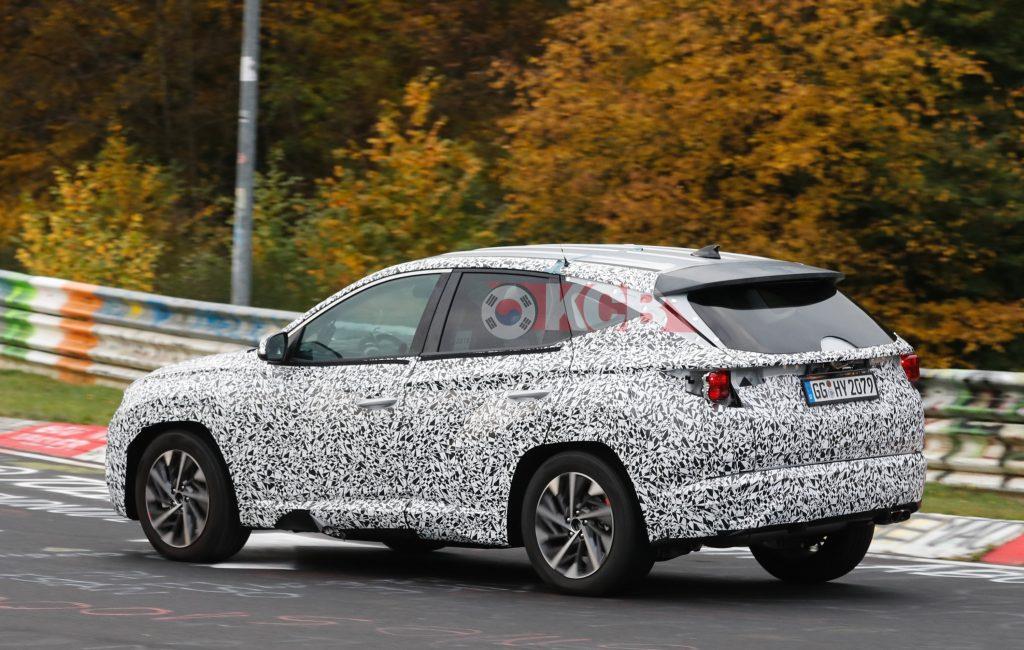
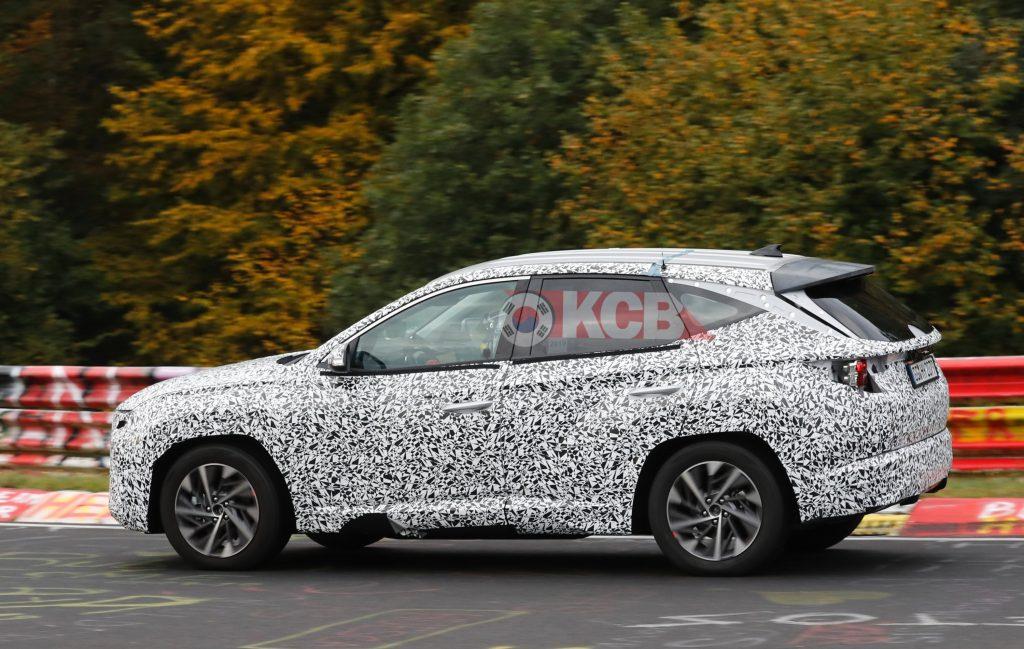
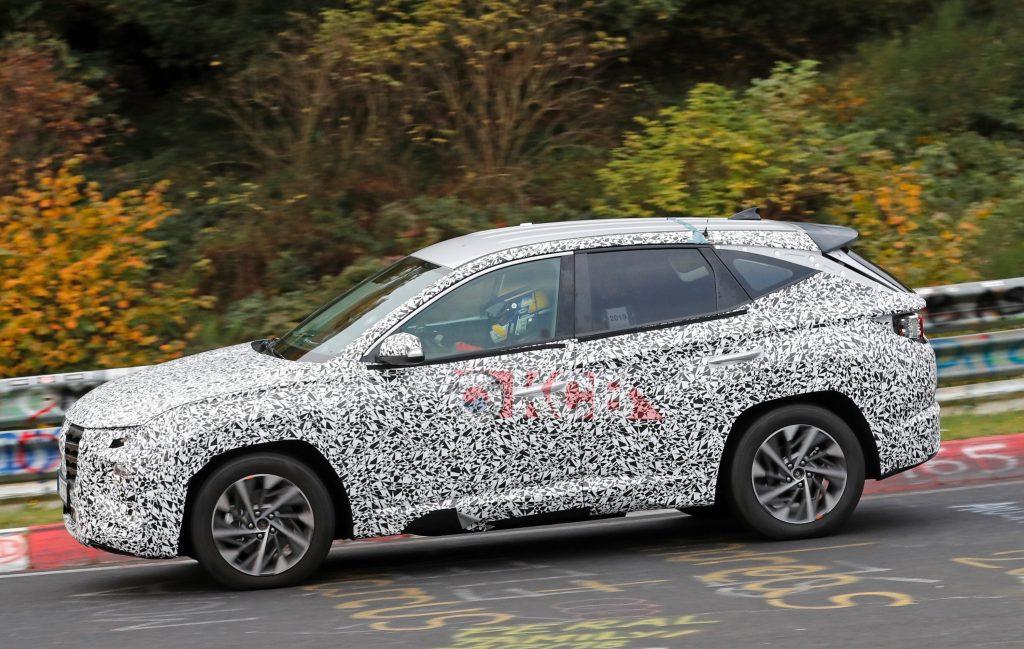
 After yesterday we saw the first images of the interior of the second Genesis SUV, the GV70, today we have a new photoset of the SUV, thanks to the guys at the carpix, Testing at the Nurburgring with the loss of camouflage allows us to learn more about the rear design.What do we know so far? The image was shared during the announcement of the New Year by the vice president of Hyundai Motors Group. He said: «Genesis will accelerate overseas expansion into China and Europe and aggressively expand its model range, including the first SUV model launched this year to strengthen global brand influence.» So now if you look at the image below, This is a comparison between the Tucson test mule that concerns us today and the original Santa Fe-based GV80 test mule, you'll find some similarities in the front wheel arch. Even though the wheels look the same, there is a stripe on the wheel arch that indicates that we are in front of a car with a longer bonnet, which is necessary to include larger engines such as the 3.3 TT that is available on the G70 sedan. Also, this test mule looks longer and wider than the body underneath.
 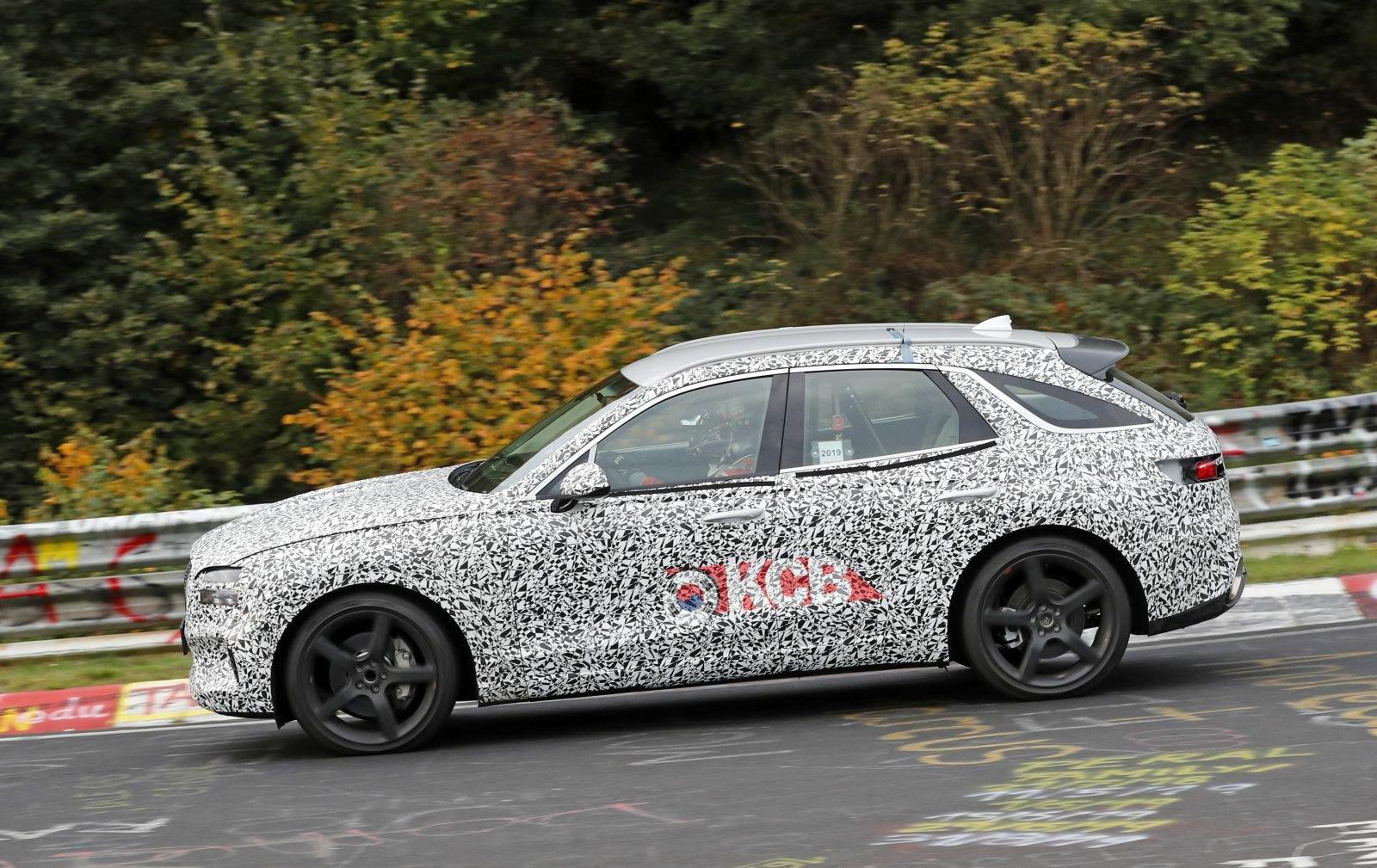 Going back to the pattern unveiled at the HMG event, the shape of the bonnet, roof and side mirrors as well as the body size vary across the three SUVs. The bonnet of the model on the left end emphasises fluidity, while the model on the right end has a distinct curve and string. This can be interpreted as a result of Genesis« design philosophy of »Sporty Elegance.« »If the G80 has a 50:50 ratio of elegance and dynamics, the G70 has 70% of dynamics and 30% of elegance," said Lee Sang-Yop. who is in charge of Genesis styling. As Genesis plans to introduce the GV80 this year and then the GV70, another model on the left side cannot be ruled out as Genesis' flagship SUV, the so-called GV90.














 EN
EN  RU
RU  UK
UK  PL
PL  DE
DE  BG
BG  FR
FR  JA
JA  ES
ES  EL
EL  IT
IT  RO
RO  TR
TR  SV
SV  CS
CS  KO
KO  EN_CA
EN_CA  NL
NL  FI
FI