


Title: Изотта-Фраскини – итальянская роскошь и инновации в автомобилестроении
Description: История компании Isotta Fraschini, гоночные успехи, представительские автомобили, банкротства и современное производство дизельных двигателей.
Slug: isotta-fraschini-history
Изотта Фраскини: что важно знать
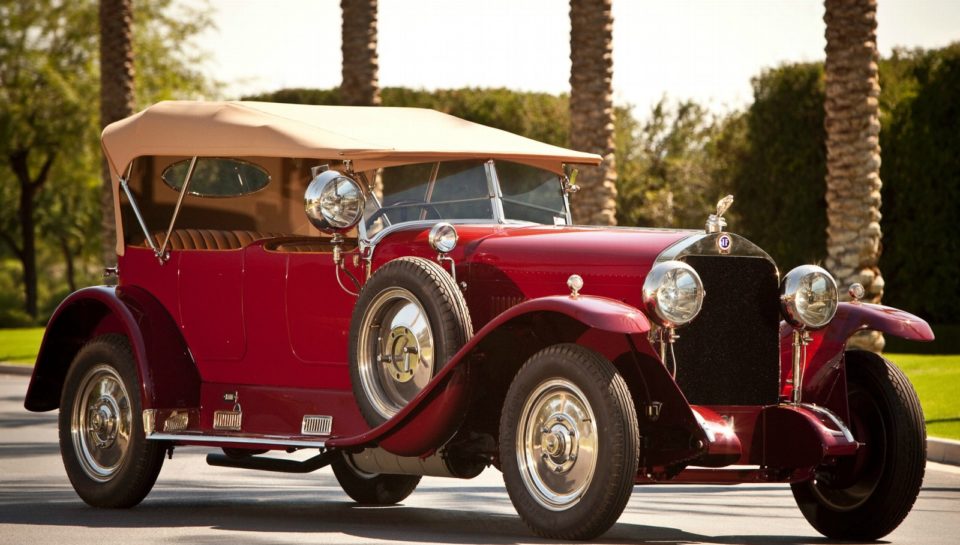
Isotta Fraschini (IF), основанная в 1900 году семьей Фраскини, изначально занималась импортом автомобилей Renault, Aster и De Dion-Bouton, а затем выпускала машины по лицензии Renault. В 1903 году представлен первый собственный автомобиль Tipo 1902, а в 1905 году компания занялась гоночными версиями. Конструктор Джузеппе Стефанини и его помощник Джустино Каттанео внесли ключевой вклад в технологические инновации, включая разработку двигателя Tipo D объемом 17 230 куб. см с верхним распредвалом и мощностью 120 л.с.
Гонки и технологические новшества
Компания участвовала в гонках с 1905 года. Винченцо Трукко за рулем Isotta-Fraschini Tipo D выиграл «Кубок Флорио». В 1906 году IF стала вторым производителем автомобилей в Италии после FIAT. В 1910 году был запатентован передний мост и тормозная система Джустино Каттанео — первые в мире автомобили с тормозами на всех колесах.
Trucks and armoured vehicles
С 1906 года компания выпускала грузовики, включая 2-тонный GM3, а в 1911 году — бронеавтомобиль Autoblindo mod. 1911. Во время Первой мировой войны выпускалась военная техника с грузоподъемностью 3–4 тонны.
Представительские автомобили и роскошь 1920-х
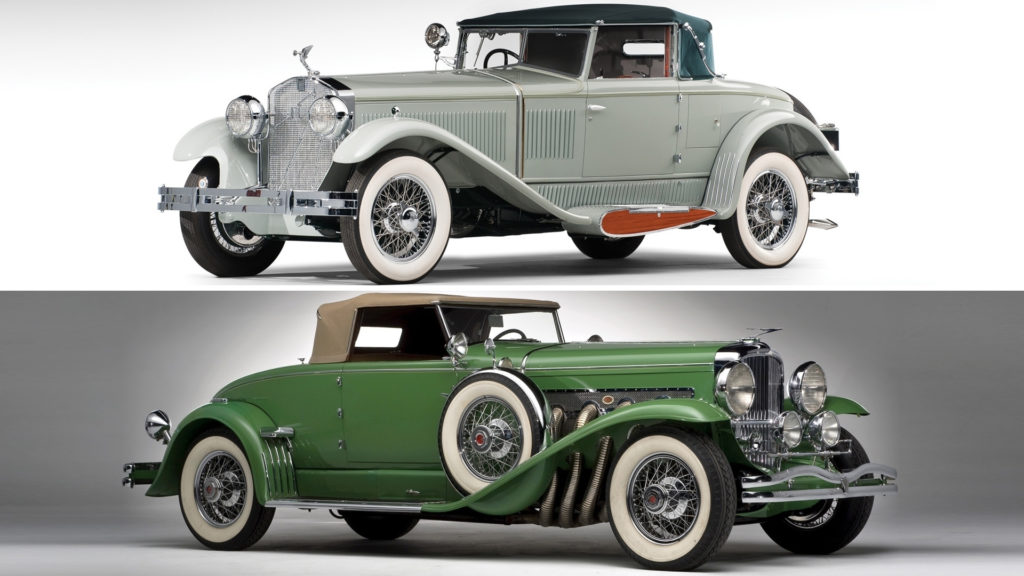
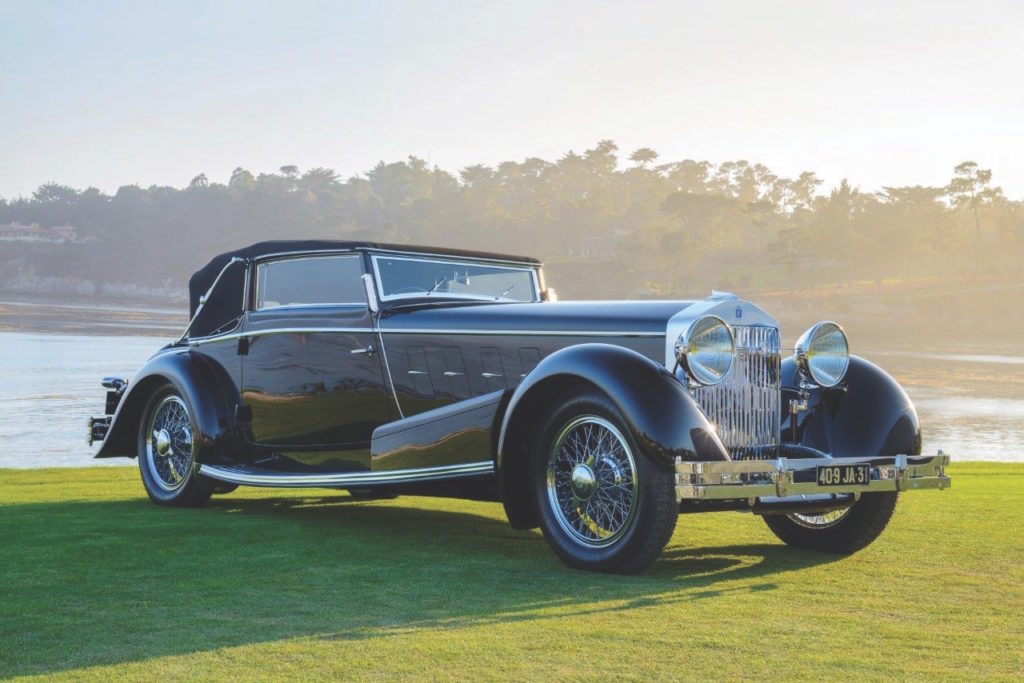
После войны IF сосредоточилась на представительских автомобилях для аристократии и монархов. В 1919 году выпущен Tipo 8 с адаптированным авиадвигателем, ультрабольшой колесной базой 3700 мм и объемом двигателя почти 6 литров. Эти модели стали символом богатства и роскоши наряду с Hispano-Suiza и Rolls-Royce. Автомобили приобретали шахи, монархи и Ватикан.
Финансовые трудности и банкротство
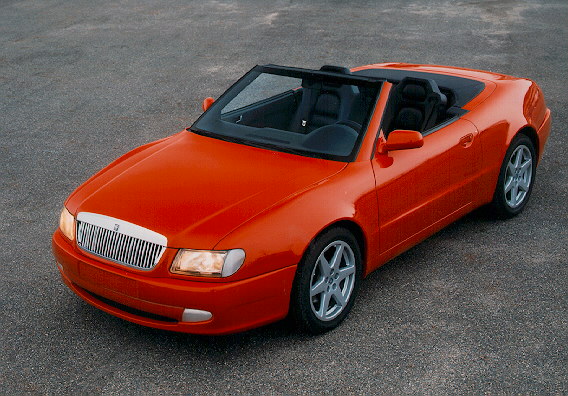
Первое банкротство компании произошло в 1932 году, спасением стали авиационные двигатели. После Второй мировой войны IF восстановила позиции, но в 1949 году предприятие ликвидировано. Грузовое отделение продано фирме Breda. Автомобилестроительные мощности вошли в Isotta-Fraschini Motori, которая до сих пор производит дизельные двигатели для морского и промышленного применения, а также иногда выпускает реплики исторических автомобилей.

 Русский
  Українська
  English (UK)
  Polski
  Deutsch
  Български
  Français
  Español
  Ελληνικά
  Italiano
  Română
  Türkçe
  Čeština