

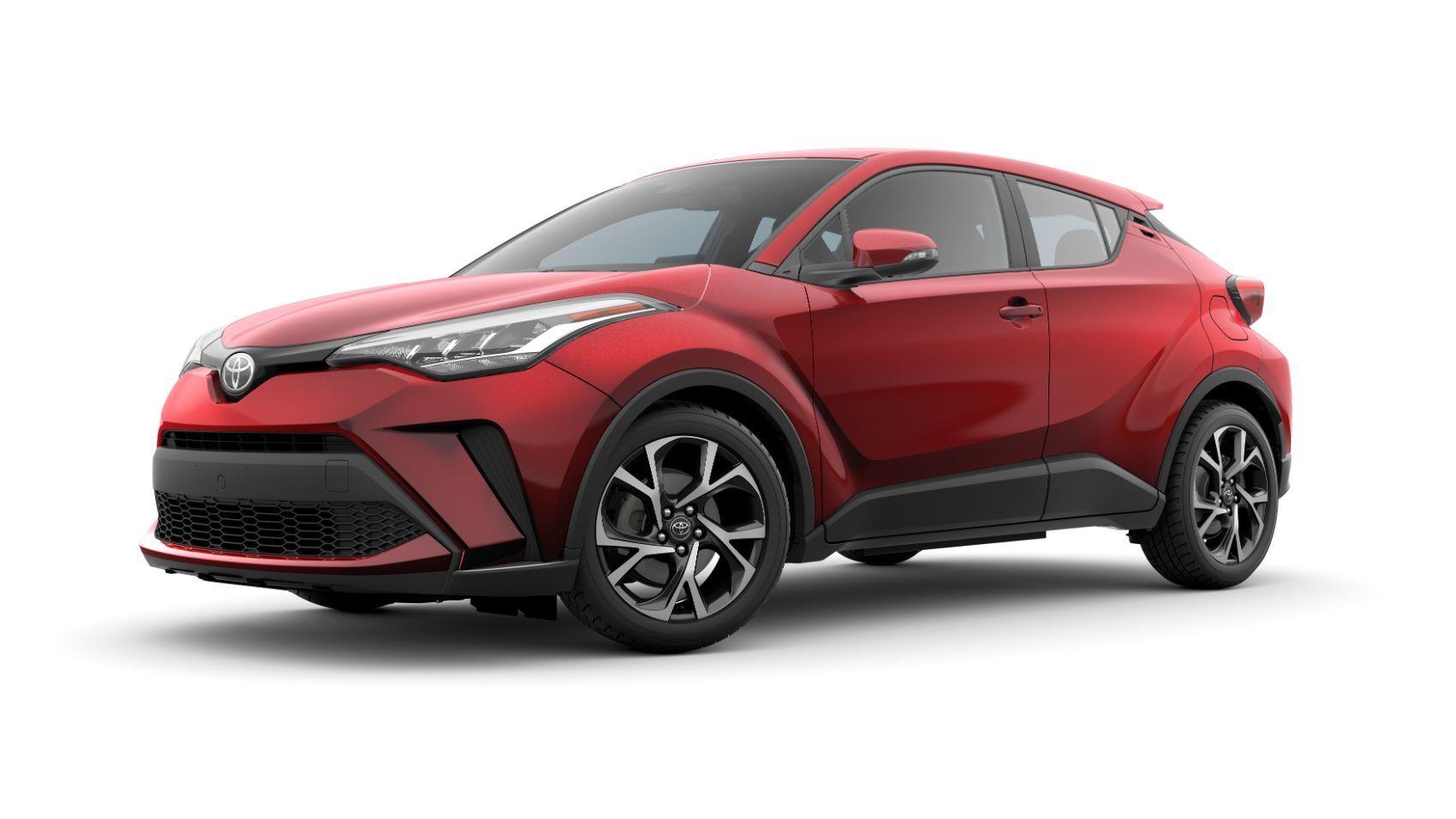
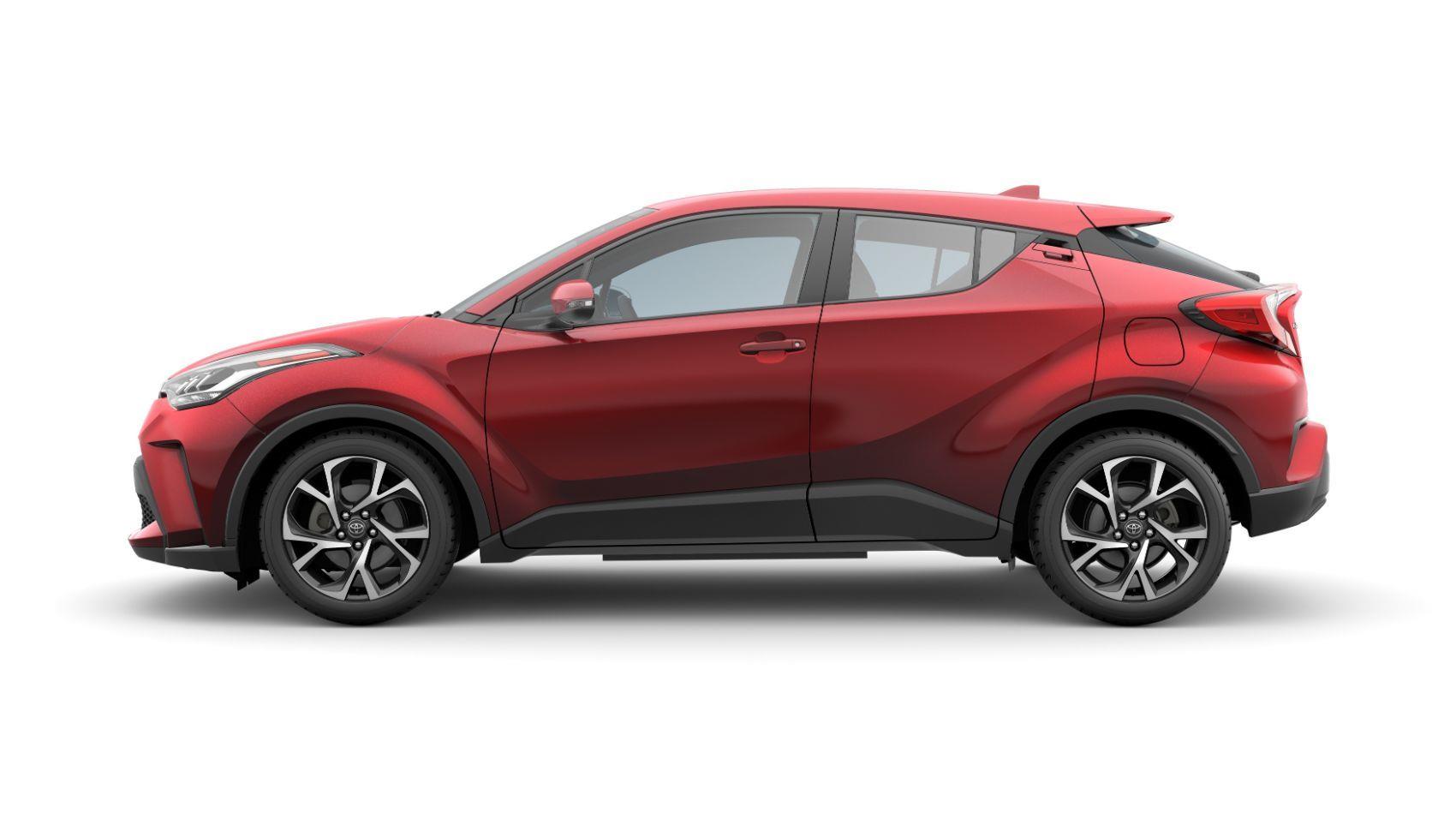
 2020 Toyota C-HR Our take: the 2020 C-HR is built on the C platform. Toyota's new global architecture (TNGA). The ride is smooth and the handling is crisp, but engine noise inside may put buyers off. The C-HR looks sharp on the outside, but drivers may feel like they're paying the price for blind spots. Despite its merits, the 2020 Toyota C-HR probably isn't our first choice in the option-saturated segment.
The subcompact SUV class has several options for buyers, but the 2020 Toyota C-HR offers a bolder design for those who want to get noticed. We caught the eye of many drivers this week as we took to the city streets of Denver. Perhaps we were attracted to the «Hot Lava» (bright orange) paint, too. Either way, the C-HR is different from the competition.
This week, we had the opportunity to check out the top-of-the-line Toyota C-HR Limited. Among other things, we looked at driving dynamics, cabin comfort and payload capacity.
Toyota C-HR: what's new for 2020?
The Toyota C-HR gets a redesigned front end, Android Auto is now available, and LED headlights and satellite radio are now standard on all trims. New body colours for 2020 include the aforementioned Hot Lava and Supersonic Red. There's also a silver roof option for 2020.
The 2020 Toyota C-HR is available in three trims: LE, XLE and Limited.
Features and options: useful mix
The 2020 Toyota C-HR Limited ($26,350) tester came standard with adaptive LED headlights; fog lights; leather upholstery; heated front seats; dual-zone automatic climate control; and dual-way power lumbar for the driver's seat. Our tester also had heated mirrors; a rear spoiler; remote keyless entry; adjustable drive modes; 60/40 split folding rear seats; a cargo cover; and a rearview camera.
Specs include a phone with Bluetooth and audio streaming; a USB port and Wi-Fi hotspot; Apple CarPlay and Android Auto; Amazon Alexa integration; and a six-speaker audio system with satellite radio. The C-HR comes standard with an eight-inch touchscreen display and a three-month trial of SiriusXM with full access.
Several advanced safety and convenience features were also standard on our C-HR Limited. These included automatic high beams, adaptive cruise control, lane keep assist, and frontal collision warning with automatic emergency braking. Finally, our C-HR tester came with an optional infotainment system that added HD radio ($465) and two-tone paint.
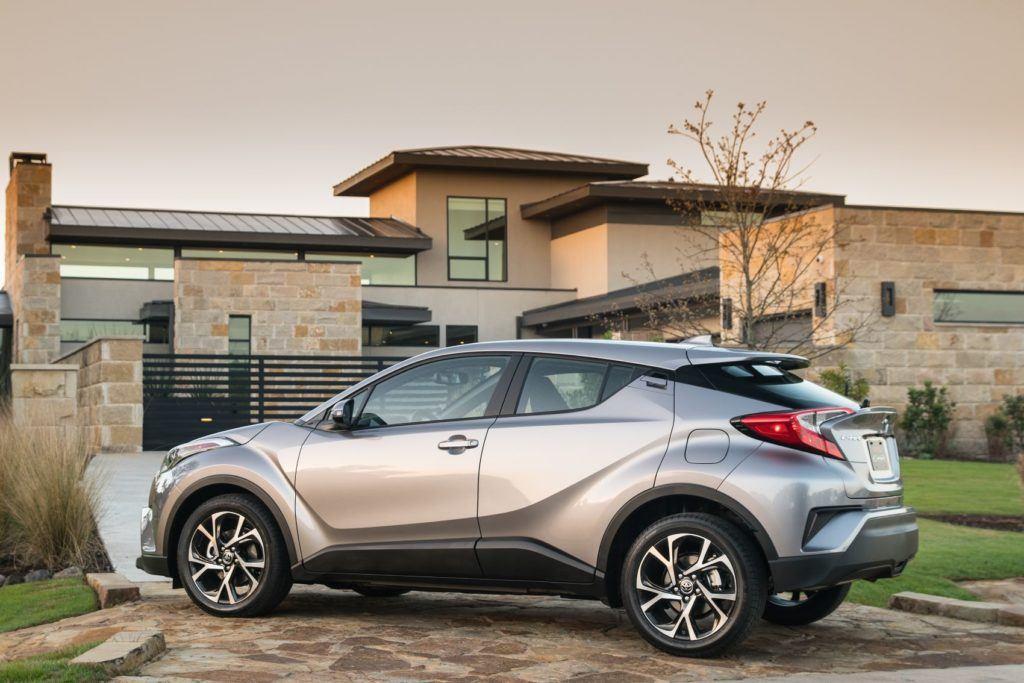 2020 Toyota C-HR.
How much does the 2020 Toyota C-HR cost?
Total manufacturer's recommended retail price, including a $1,095 destination charge, for our 2020 Toyota C-HR Limited test car: $28,435. For comparison, the 2020 Toyota C-HR is priced from $21,295.
The new C-HR is a generally affordable car. However, depending on local incentives, you may be able to save a little more. This free and easy search tool* will show you which dealers near you offer the best price.
Interior features: stylish and comfortable
The CH-R Limited's interior is better than the lower trims, and for the price, we'd prefer the Limited XLE or LE. Heated leather, eight-way power adjustment for the driver's seat, a stylish dashboard and black tone-on-tone stitching - the interior offers a good mix of comfort and style. The front seats are comfortable even for taller drivers and passengers. We had no problem finding a good cruising position with the optional seat adjustments.
The central control panel with an eight-inch touchscreen is called MeZONE. It comes with a host of easy-to-use controls and knobs that did not disappoint. In addition to MeZONE's connectivity features, the cabin will appeal to the young buyer with its attractive shapes and modern styling.
We also liked the 4.2-inch colour display ahead of the driver. It shows a variety of different things like outside temperature, trip information, fuel economy history and current driving mode. There's even a G-force monitor.
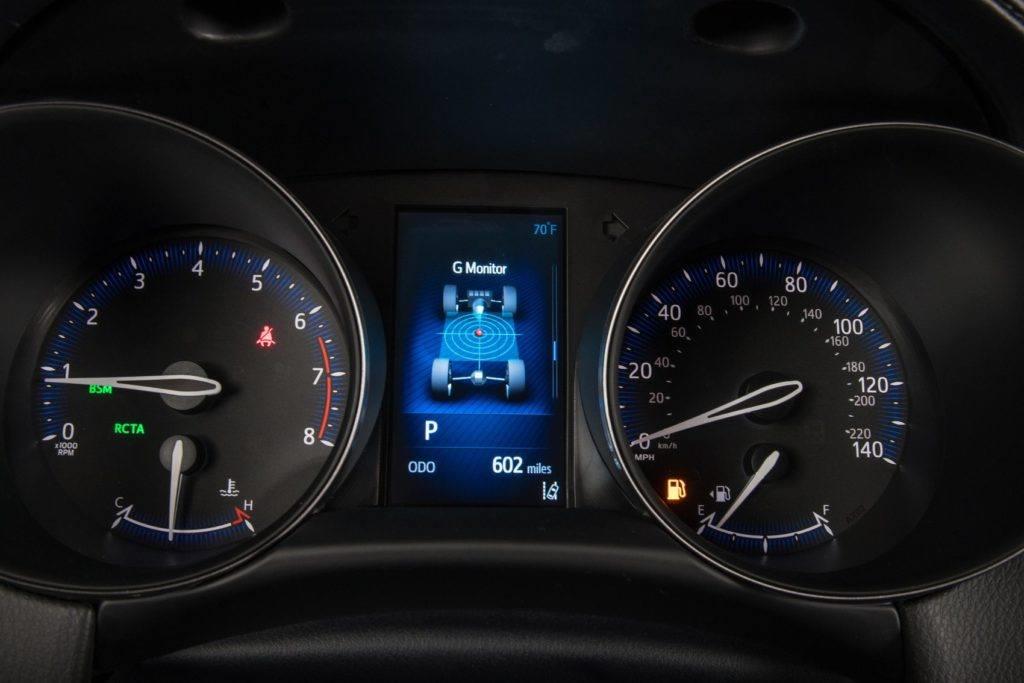 Toyota C-HR G-force 2020 Toyota C-HR G-force Display.
Interior features: rear seats and boot
Unlike many small SUVs that are only suitable for two adults, three can actually fit in the back for short outings if necessary. Rear passengers sit a little higher too, which means a more comfortable position and extra legroom. On longer journeys, rear seat passengers can be cramped, but in town this can be dealt with.
Cargo volume is 19.1 cubic feet with the rear seat backrest upright, and increases to 37 cubic feet when folded. The seats fold down to form a convenient cargo floor. This was perfect as we packed our bags for a grocery shopping trip earlier this week.
Engine and transmission
The 2020 Toyota C-HR is powered by a 2.0-litre four-cylinder engine with 144 horsepower and 139 lb-ft of torque. It comes paired with a continuously variable automatic transmission with Sport, Normal and ECO modes.
Will the 2020 Toyota C-HR be all-wheel drive?
Unfortunately, all-wheel drive is not available on the 2020 C-HR.
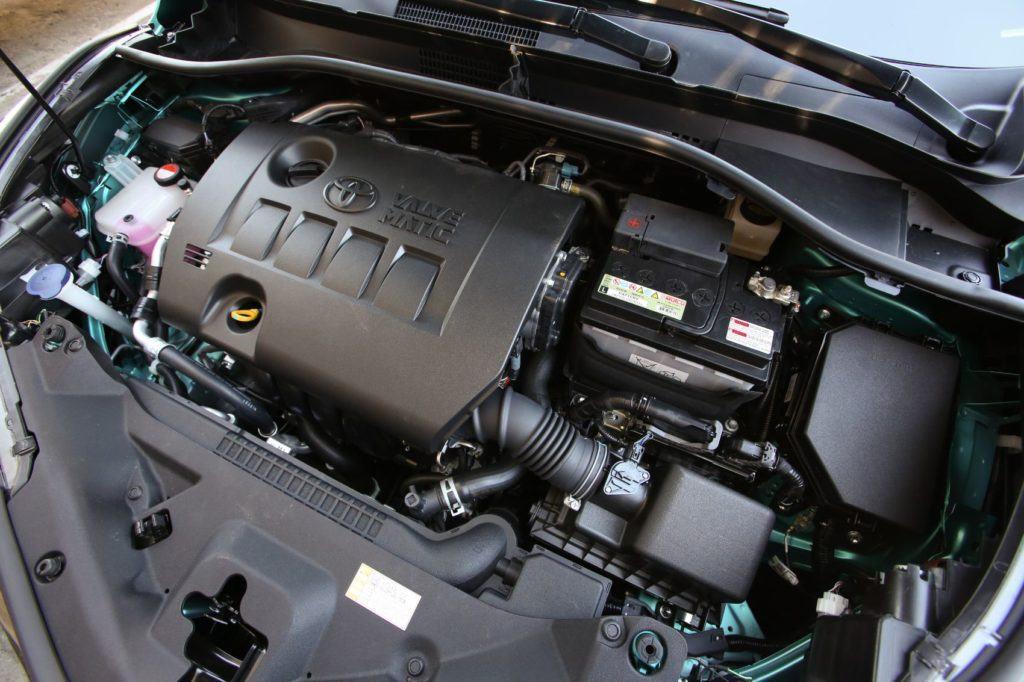 Toyota C-HR 2020 under the bonnet.
2020 Toyota C-HR gas mileage
The EPA estimates that the C-HR gets 27/31 city/highway and 29 combined. ECO mode can be used during city driving to save fuel.
Compared to other similar cars, the C-HR is neither the worst nor the best in terms of fuel economy. If fuel economy is one of your top priorities, we recommend researching and making thorough comparisons.
How does the 2020 Toyota C-HR drive?
The C-HR has plenty of power and acceleration for city driving and everyday driving. We drove it through Denver, but the altitude eventually took its toll on the 144-horsepower engine. We took it up the I-70 motorway west of Denver, where it struggled to keep up the pace as we climbed to an elevation of 8,300 feet.
While it's not a typical driving environment for most people, the C-HR can feel like it's working hard at times. If you live at sea level, the small SUV should have plenty of power, but you can feel it going up a hill with a full load of passengers and cargo. Otherwise, the C-HR delivers respectable handling and confident dynamics even in the tight mountain corners leading up to our house.
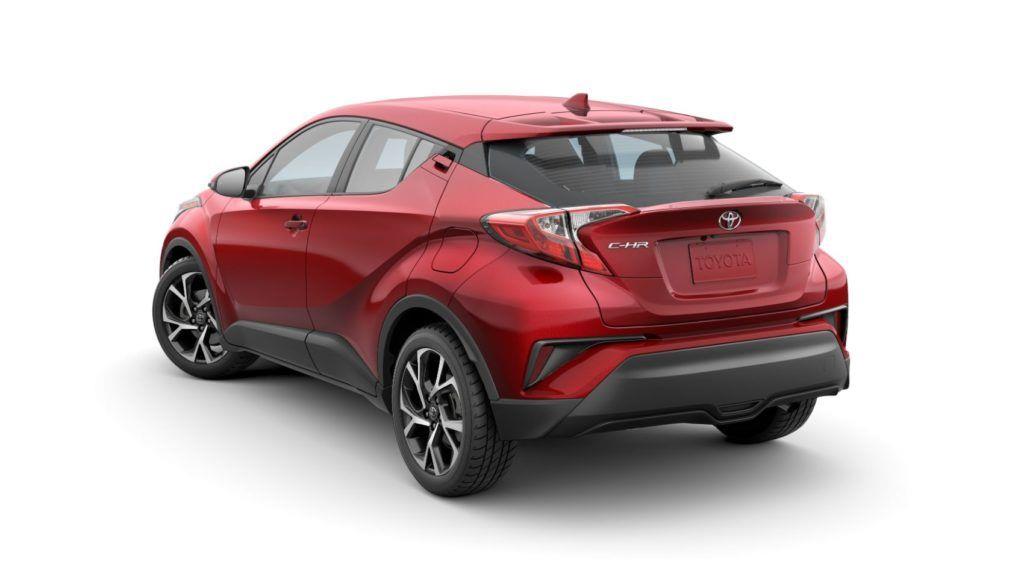 The exterior caused some visibility issues on the road.
Traffic dynamics: noise and visibility problems
The motorway ride is smooth, but we thought the engine noise in the cabin was pervasive as the automatic variator kept shifting. We kept the transmission in normal for most of the week, but shifted to sport if we needed to pass slower traffic. But that only made it louder inside.
Rear and side visibility is difficult due to the bold exterior design. Difficulties may arise when changing lanes in busy traffic.
Fortunately, we had dry roads this week, and the front-wheel drive configuration performed well on our trips through Denver. However, if we had snow, the C-HR could have left us stranded given where we live. We would like to see the C-HR offered with all-wheel drive in the future.
Conclusion: enjoyable, but shopping
The 2020 Toyota C-HR looks attractive and appeals to young buyers with its bold looks. If you don't need a lot of power and don't haul a lot of cargo on a regular basis, the C-HR is a good choice. If you live in a cold climate and want the peace of mind that all-wheel drive can provide, there are other vehicles on the market that are better suited for you.
Photo: Toyota Motor Sales, USA, Inc.
Читайте также: 2020 Toyota Highlander Platinum Review: Is This Three-Row Family Hauler Worth Considering?.




 Русский
  Українська
  English (UK)
  Polski
  Deutsch
  Български
  Français
  Español
  Ελληνικά
  Italiano
  Română
  Türkçe
  Čeština